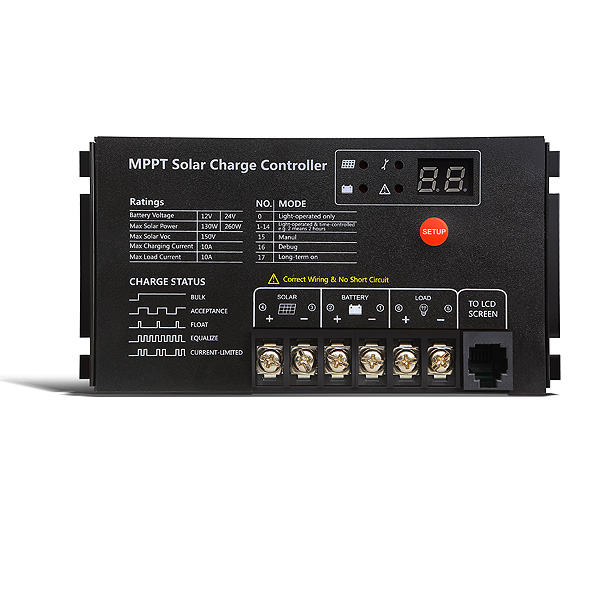
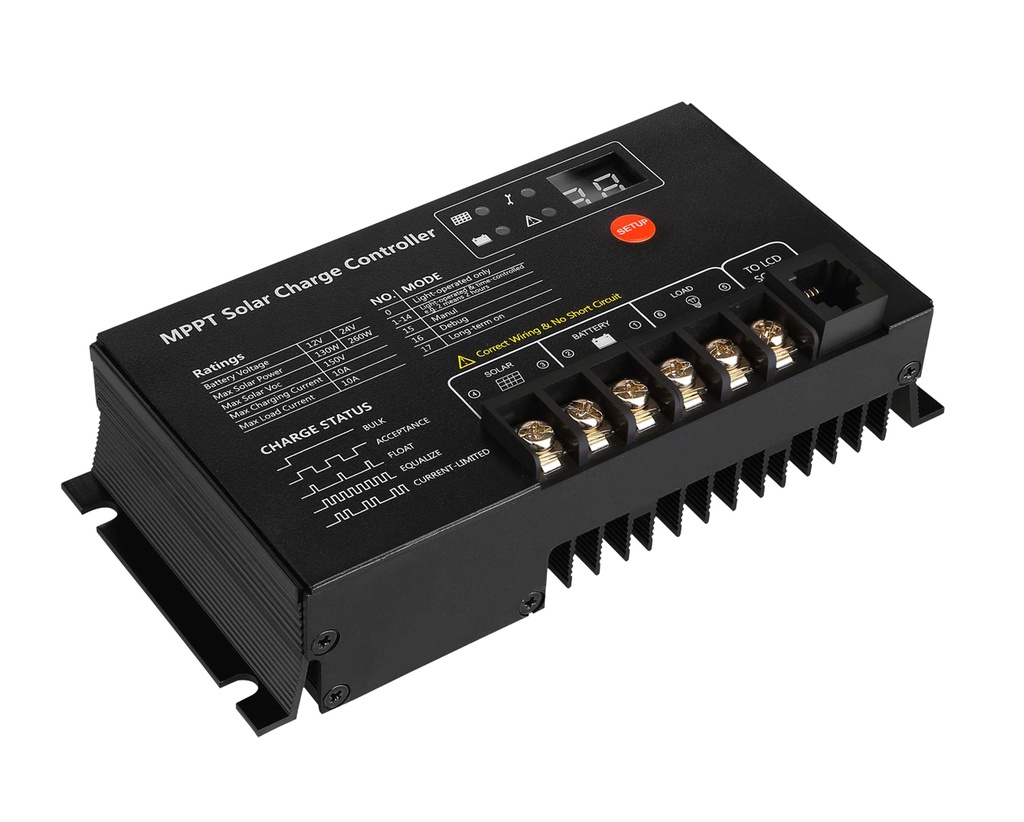
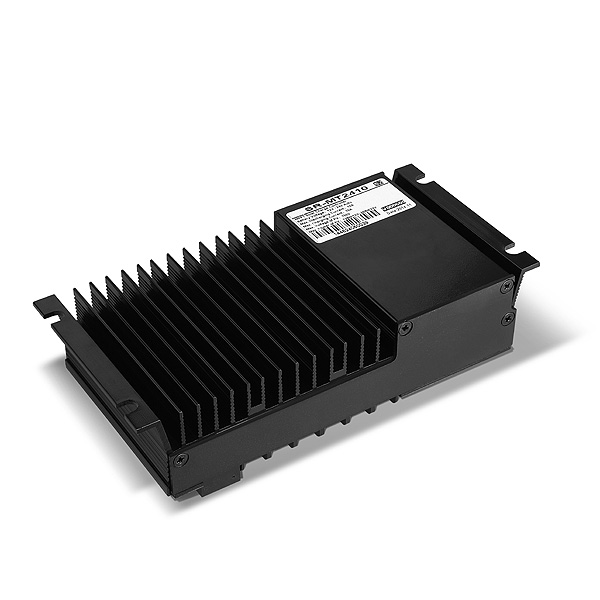
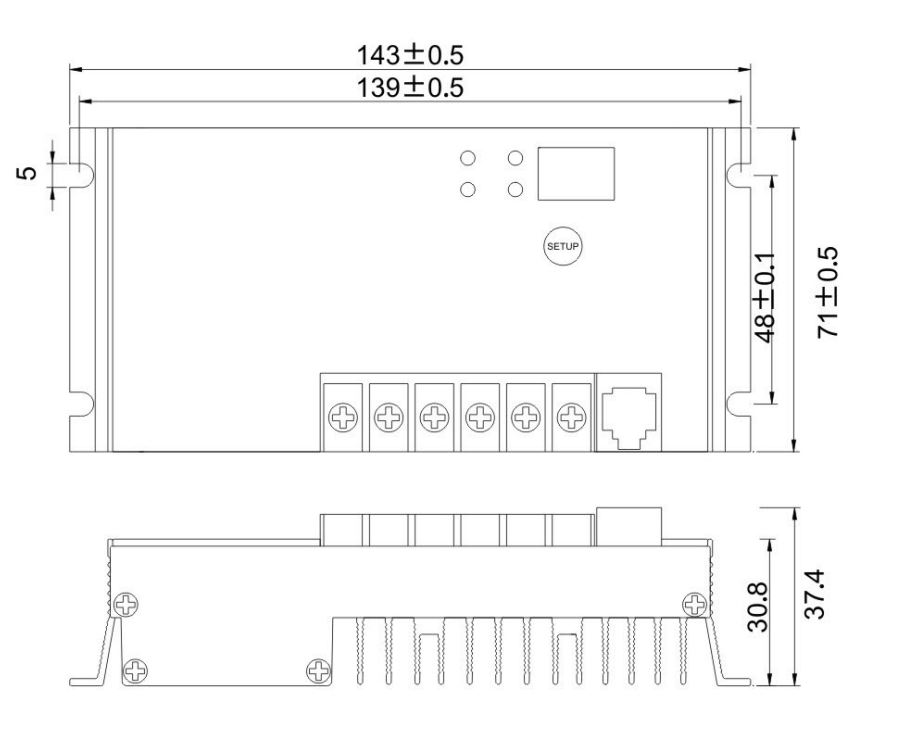
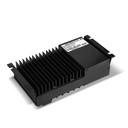
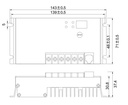
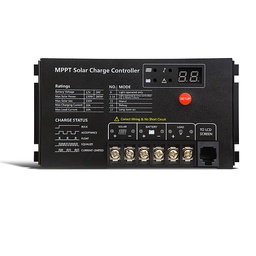
The 'Max Solar Input' is related to the nominal voltage the battery bank (NOT the solar panel voltage). If you have a 130W solar panel and a 12V battery bank the max charge current will be 10 Amps, if you have a 260W solar panel and a 24V battery bank the max charge current will also be 10 Amps - This means a 260W solar panel and a 12V battery bank the max charge current will now be 20 Amps. Simply divide Power (Watts) by Voltage (Of Battery Bank) to calculate solar regulator current rating.
A very basic summary is a PWM controller will deliver current out of the panel at just above the battery voltage. It 'clips' much of the useable panel voltage and simply regulates current, making the efficiency low (70-80%) but a very safe multi-stage charging device. With an MPPT solar charge controller the current is drawn out of the panel by sweeping the full voltage range / curve of the panel “Maximum Power Point Tracking” making them very efficient (98%+) and superior in many ways including load sensing. You can think of an MPPT controller as being a “smart solar DC-DC converter”.